 My wife and I spend at least a week together at her grandmother’s house in upstate New York, where she lives on the shore of Cayuga Lake. It’s always an awesome place to spend some time swimming, canoeing/kayaking, with some ham radio sprinkled in. This year we planned the trip for July, and I had been looking at POTA and SOTA locations nearby. I soon came across the US Islands Awards Program which is something I had not participated in before. I quickly realized that the tiny Frontenac Island, located just offshore of Union Springs, was very close by and had never been qualified. Moreover, since the Erie Canalway Corridor National Heritage Area is a massive area that includes all of Cayuga Lake, I realized I could do a combination USI and POTA activation in one.
While paddling from Union Springs would be a short trip, I mapped out the distance from the family’s lake access point and realized it was only about three miles each way on the same side of the lake. I had previously covered nearly a mile of this route on casual canoe paddles, so I knew it wasn’t too bad. I planned to head out one morning during the week, spend a few hours there while my wife was working remotely, make the necessary 15 contacts (a notable departure from the minimum for POTA), and get back around lunchtime.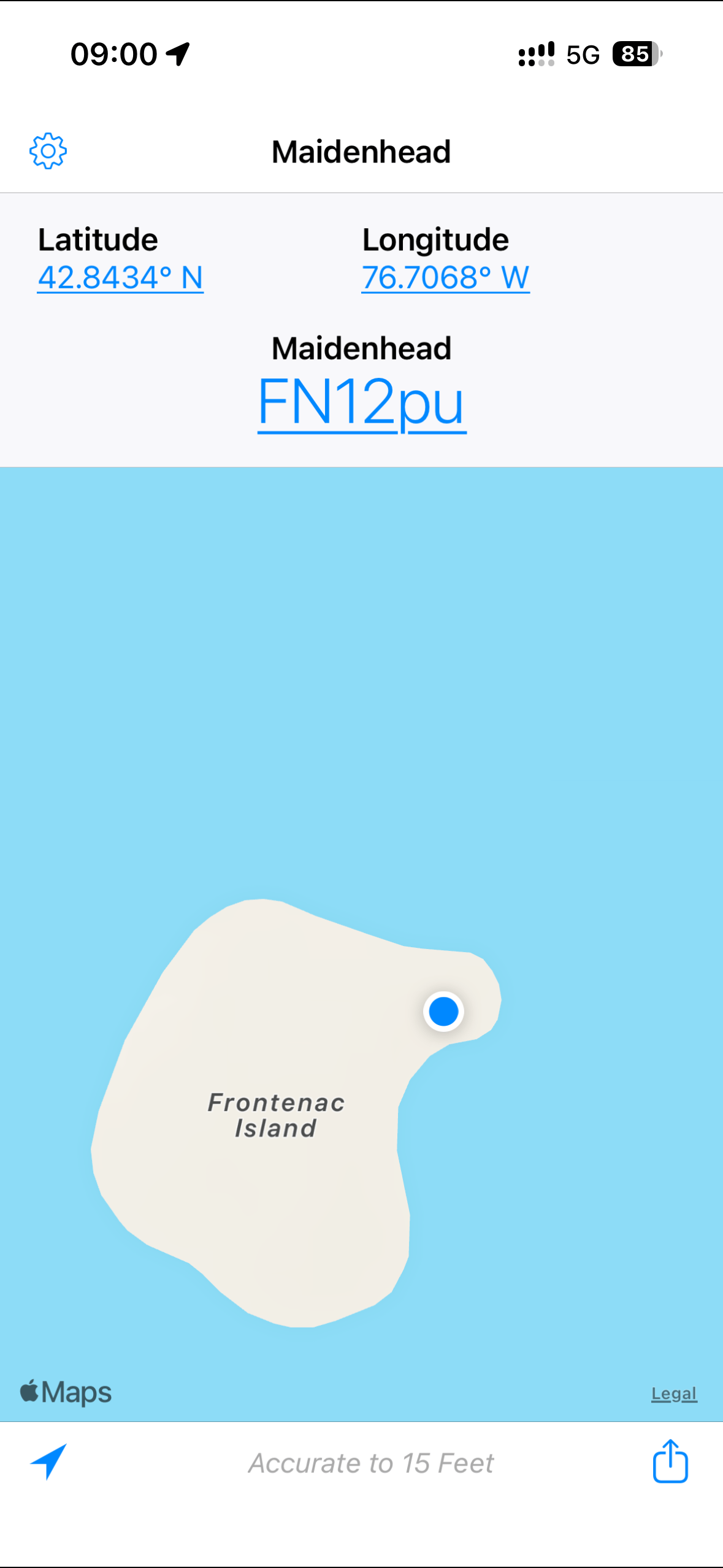
Since this was my first USI participation, I reached out to those who administer the program and had a nice email conversation with Jay, NS4J, who does an excellent job beating the drum for the program. If you haven’t done anything with USI before, or haven’t participated in a while, I encourage you to look into it again, as you can easily pair it with other award programs for some fun portable operating! The rules, while different from POTA and Islands on the Air, are straightforward and easy to follow. From a logistics standpoint, I just needed some part of my station to be on the island, which seemed easy enough.
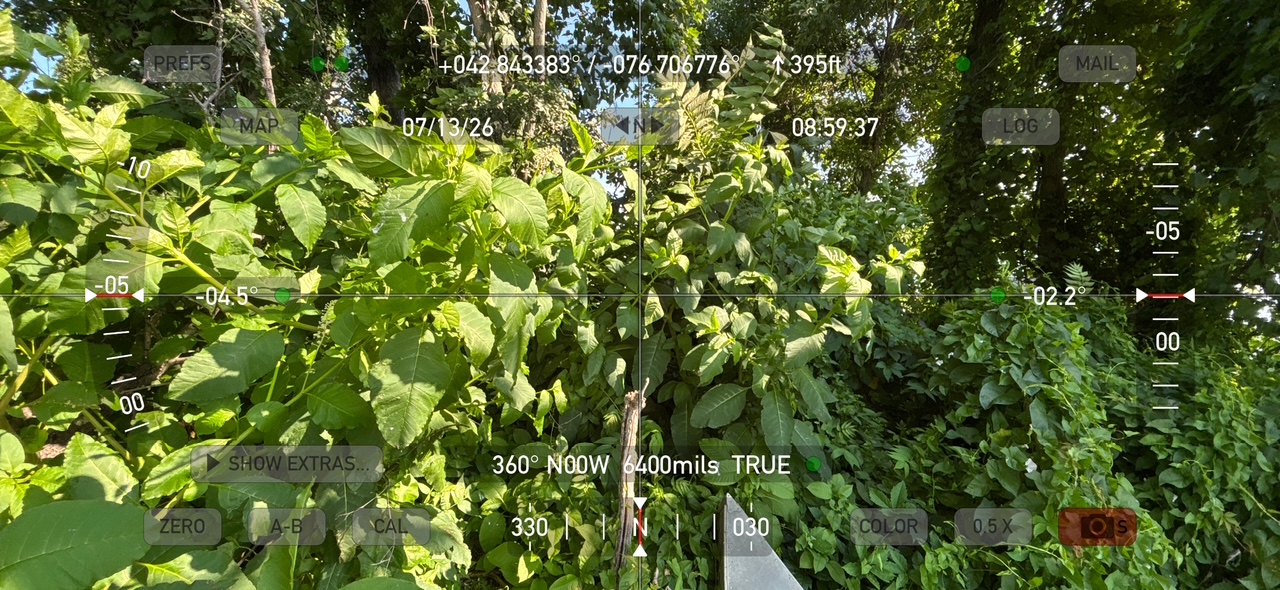
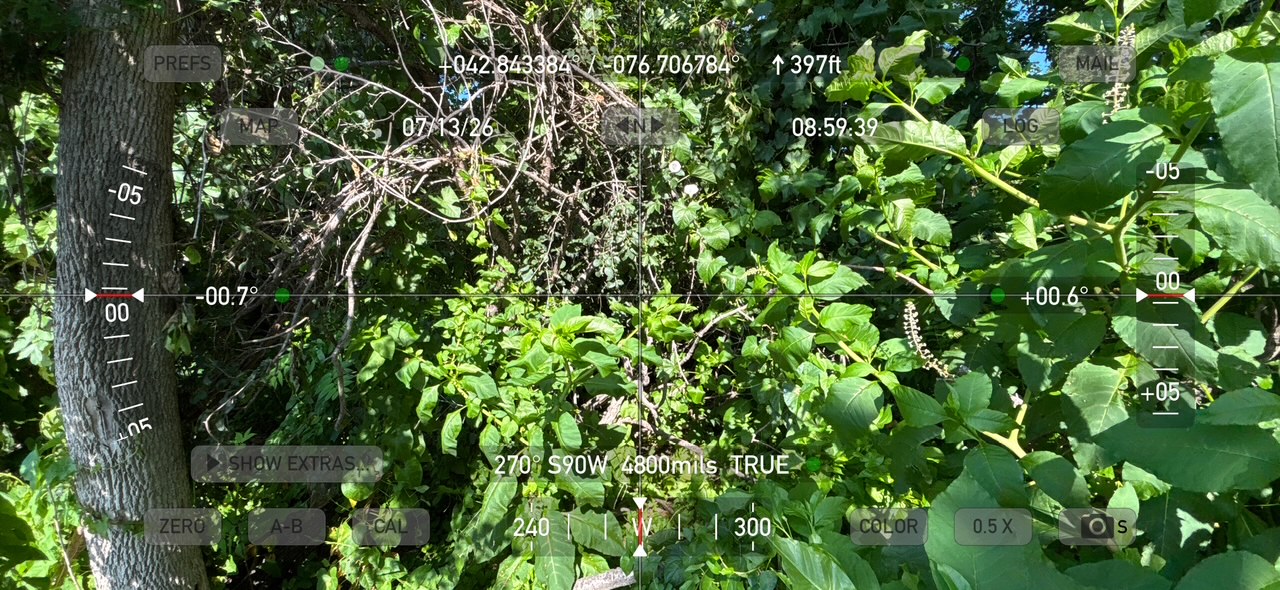
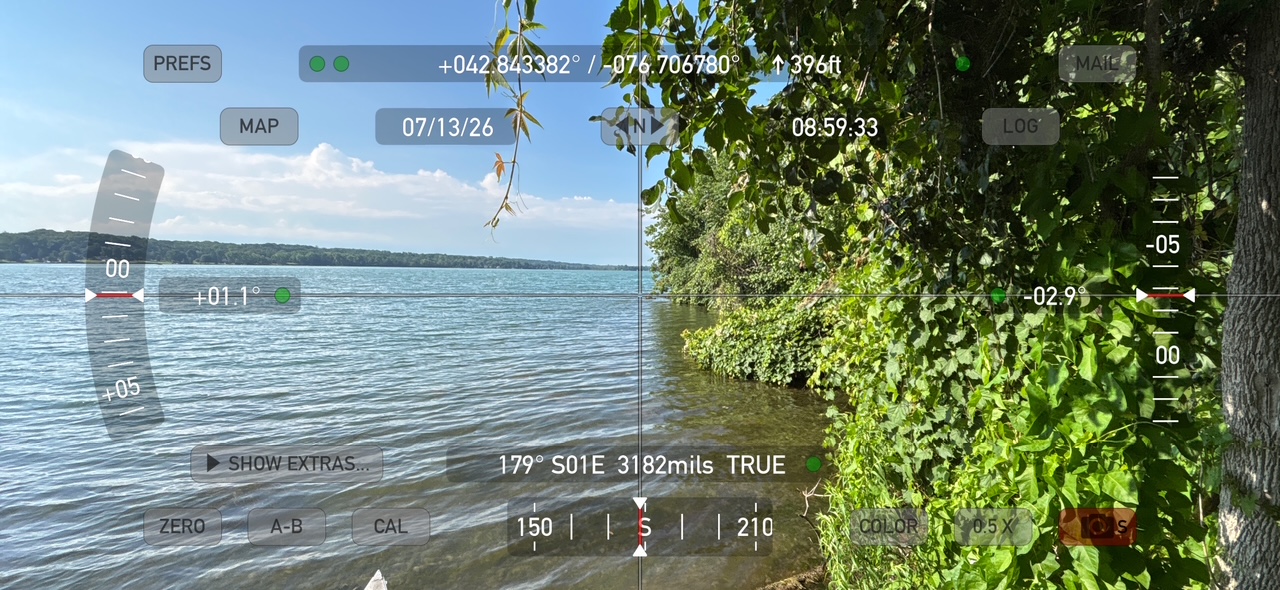
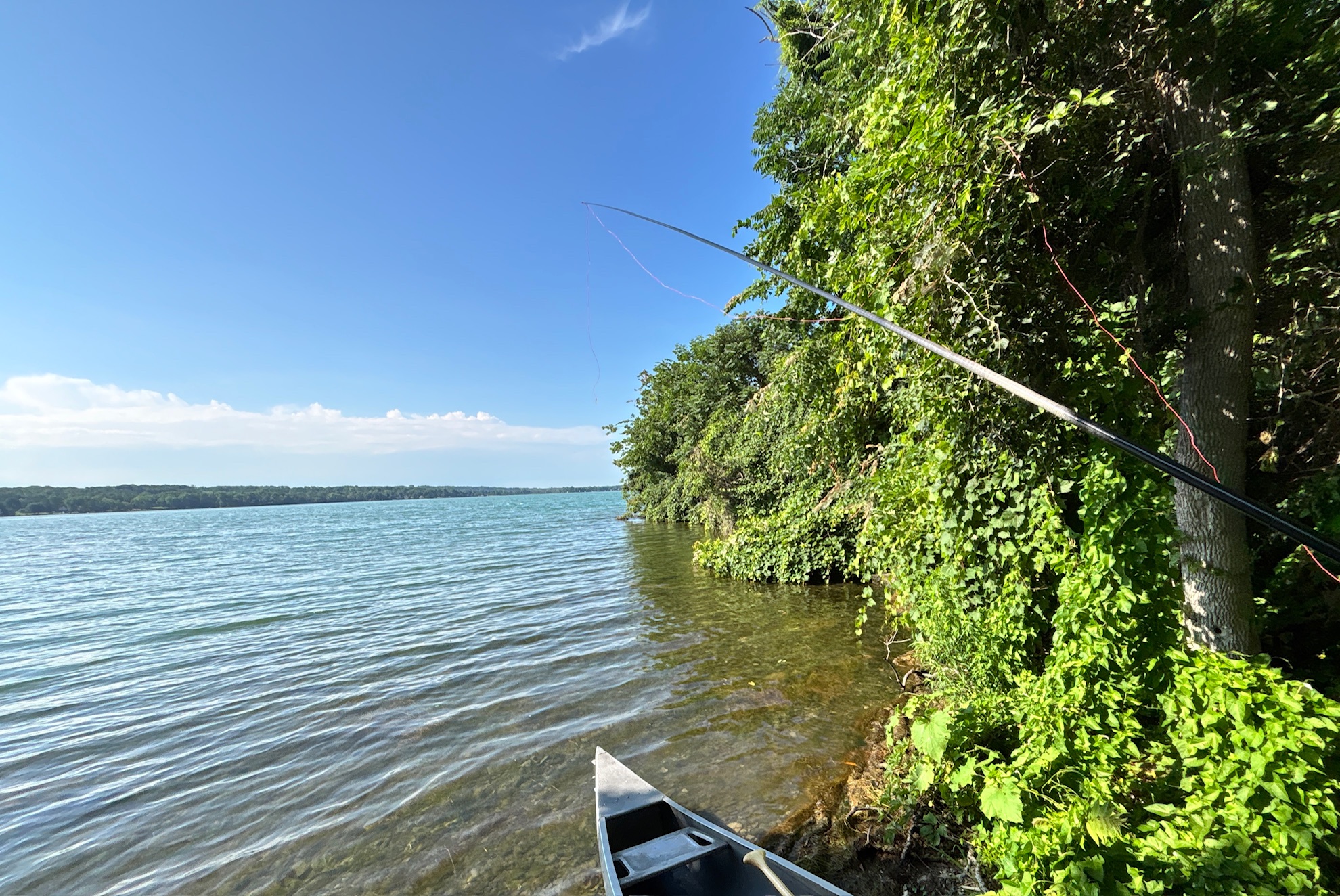
On 7/13, the weather looks good for the day with light winds, relatively cool temperatures, and no smoke from Canadian wildfires (that became a HUGE issue later in the week), so I figured that was my best shot to make the run. While I had hoped to wake up early and be on the water by around 7 a.m., it ended up being more like 8 a.m. before I started my paddle. I figured I could certainly make it in about 1.5 hours and was pleasantly surprised that I made it in just under an hour. There was not much boat traffic since it was during the week, which was nice too, although one larger boat did cut across my path and gave me a nice wake to deal with as I was getting close to the island. In any event, I quickly found that I should have investigated where I could get on shore ahead of time. While there is some information about the island online, including discussions from those who have been there, it wasn’t clear if the shore was beach-like or totally covered by foliage. It turned out to be the latter, and after doing about two-thirds of a lap around the island, I went back to the small opening that looked like a place where I could drag the canoe onshore. The downside was that there were trees and bushes all around, which limited how I could put up an antenna, and there was not really any place for me to sit, so I basically had to stand the whole time while using the canoe as a table. It was not ergonomic, to say the least!


I used my QMX, POTA20 mast, and 4S Tuner as my setup and pulled about 25 feet of wire up on the mast, then draped it over the trees around me. I threw another 25 feet of wire and a shorter 15-foot piece into the water along the shore as counterpoise. This was usable for 40m, 30m, and 20m. Advertising my operation to Jay ahead of time was nice in that it led to others hunting me (including Jay himself) and to my being spotted as a USI operation. I also utilized POTA spotting to drum up some contacts. My goal was to do the entire activation on CW, but I brought along a USB-C cable to connect my QMX to my iPhone and run FT8 on the iFTX app if necessary.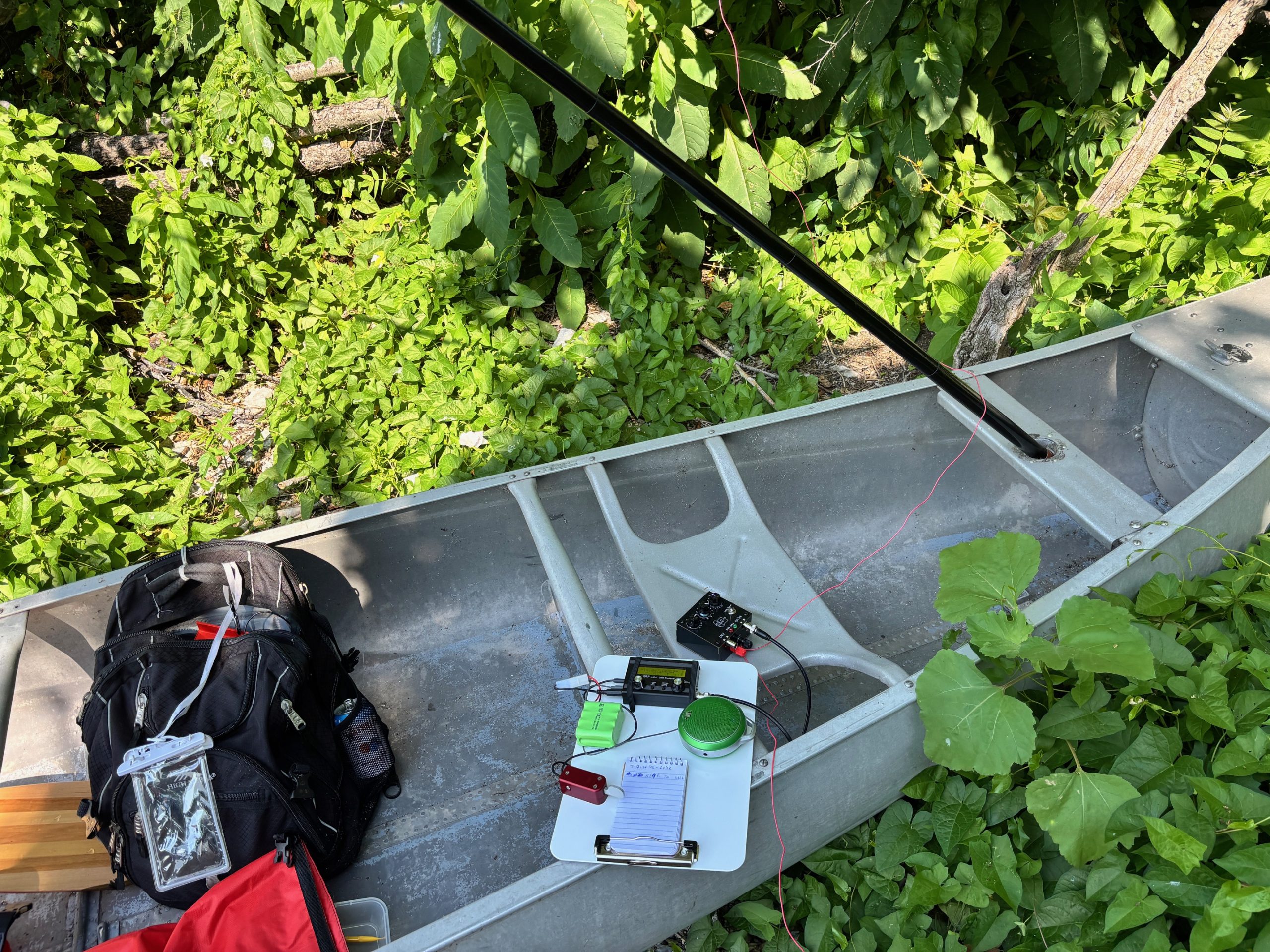
I will admit that, when under the gun, 15 contacts can be difficult to make! Over the course of the first 45 minutes, I made three CW contacts—one on 30m and two on 20m. Band conditions were not great, and my compromised antenna didn’t help. I jumped over to FT8 and slowly crept up toward the required 15 contacts. At around 12 contacts, I noticed my radio’s battery was getting low (I should have brought a larger battery than the small 9.6V NiMH pack) and started getting nervous. The next couple of contacts came very slowly, and then I got a few in short succession, bringing me to 17 total contacts in nearly three hours on the air. That was stressful!
I quickly tore down and paddled back, now running later than anticipated, although the light winds meant my paddle time was shorter than I originally planned. I made it back to shore with my equipment dry, my muscles a bit sore, a POTA site activated, and a new island qualification in the bag! All in all, I had a lot of fun with this little adventure, and it is cool that my call will forever be listed as the person who first qualified the island. While none of my challenges were huge surprises, I probably should have brought more water, more battery capacity, and a chair to sit on. I was only about half a mile from the nearest shore where I could be picked up by car if needed, so I wasn’t too worried about the water, but it did add to the stress.